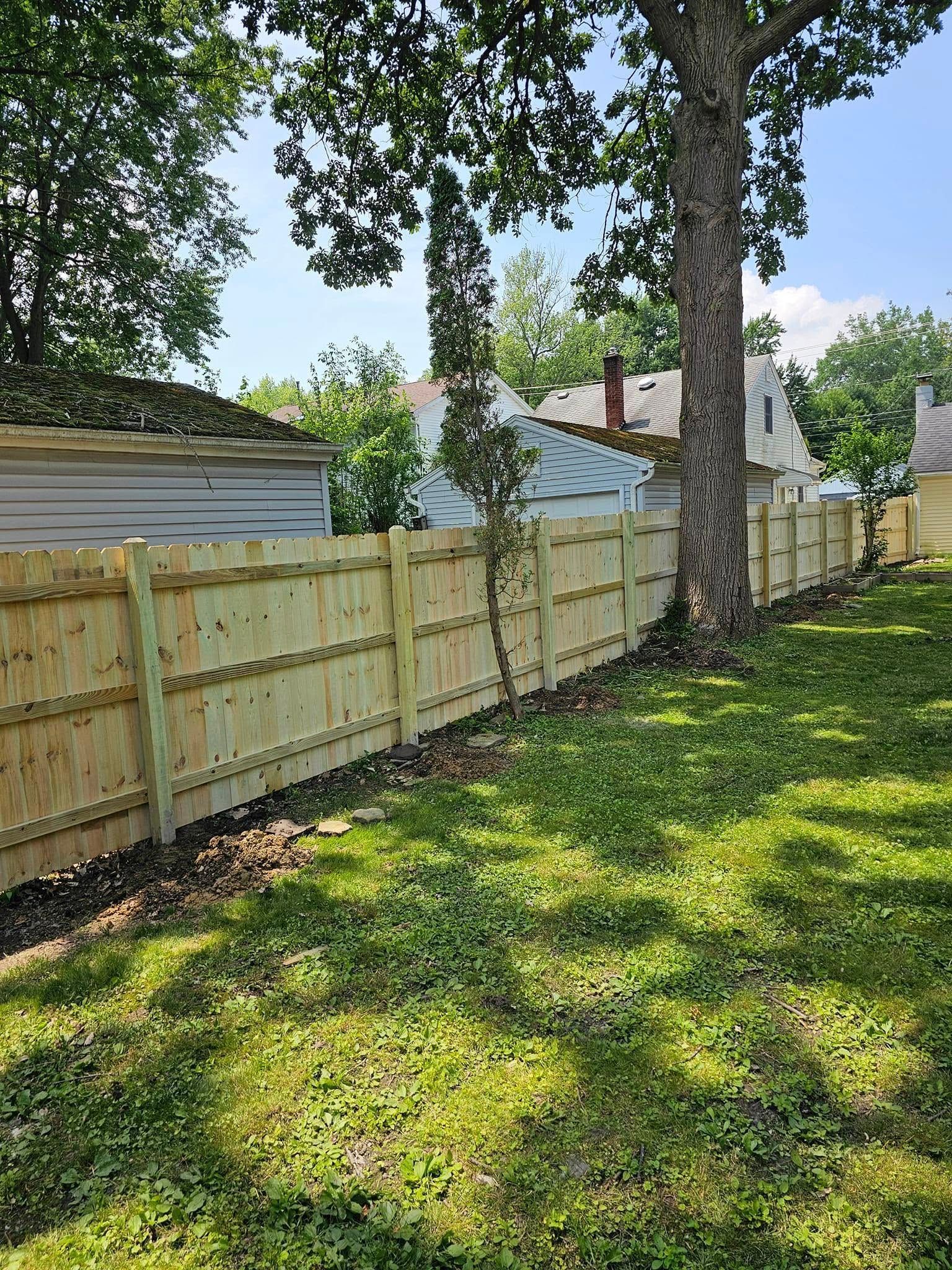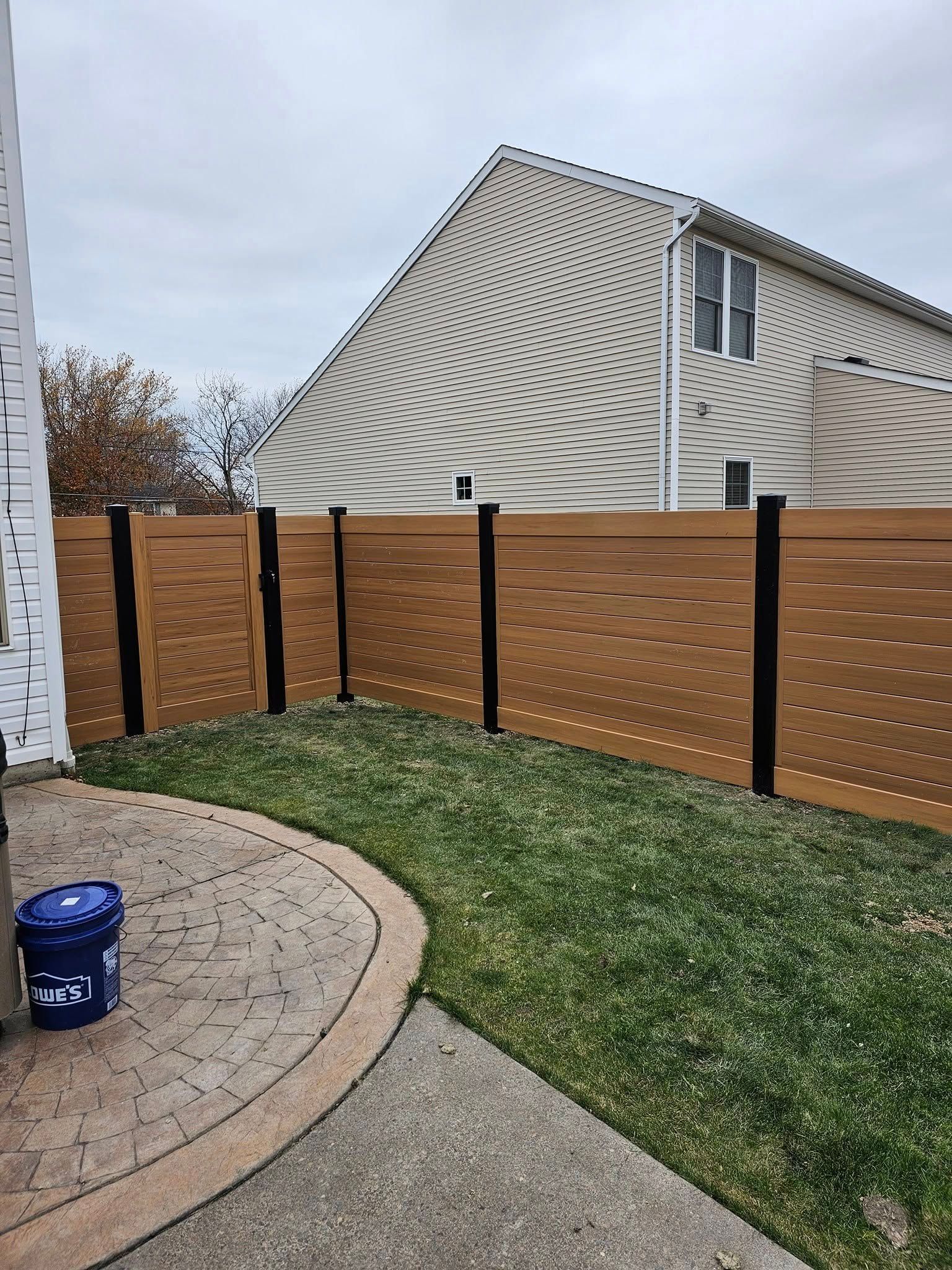
Fence Posts Leaning or Boards Warping? What's Actually Happening to Your Wood Fence
Quick Answer:
A wood fence that leans, twists, or shows soft, dark patches almost always traces back to one of three things: a post that's moving in the ground, wood that's absorbing and releasing moisture faster than it can handle, or decay that's already working from the inside out. Catching which one you're dealing with early is what separates a quick fix from a full section replacement.
The Three Problems Behind Nearly Every Aging Fence
Homeowners tend to describe fence trouble the same way no matter what's actually wrong. "It's leaning." "It's warped." "It looks rotten near the bottom." Those are symptoms, not causes, and treating the symptom without understanding the cause is how a small repair turns into a much bigger project a year or two later.
Leaning is a foundation problem. It starts underground, where the post meets the soil, and it shows up above ground as a fence that tilts a little more every season. Warping is a moisture and grain problem. Boards absorb water unevenly, dry out unevenly, and the wood fibers pull against each other until the board cups, twists, or bows. Rot is a biological problem. Fungi that break down wood fiber need moisture, oxygen, and a mild temperature range to get established, and once they do, the damage keeps spreading even after the wood dries back out on the surface.
Western New York gives all three problems plenty of opportunity to develop. Heavy lake-effect snow, repeated freeze-thaw cycles, and long stretches of spring moisture put more stress on a fence in a single season than a drier climate would in several.
Why Posts Start to Lean
Every fence post relies on the soil around it staying put. When that soil shifts, the post shifts with it, and the boards attached to that post follow along, which is why a leaning section often looks fine from a distance but reveals a gap or a twist as soon as you get close.
The most common driver of that soil movement in this region is frost heave. Ground that holds moisture, especially clay-heavy or poorly drained soil, draws water upward toward the freezing layer as temperatures drop. That water forms bands of ice within the soil, and ice takes up more space than liquid water does. As those ice layers grow, they push the surrounding soil upward, and anything embedded in that soil, including a fence post, gets lifted along with it. When the ground thaws, it doesn't always settle back to exactly where it started, and a post that's been heaved even slightly is weaker and more prone to shifting the next time the ground freezes.
Posts set too shallow feel this effect the hardest. A post that sits above the depth where the ground regularly freezes has less soil holding it steady and more exposure to the heaving forces working against it. Poor drainage around the base compounds the problem, since standing water near a post gives frost heave more moisture to work with and keeps the wood itself damp for longer stretches.
TIP: If you notice a post has shifted after winter, resist the urge to just push it back and tamp the soil down. A post that's already been heaved once usually needs the surrounding soil, drainage, and setting depth reassessed, not just cosmetically straightened, or it will likely repeat the same movement the following year.
Why Boards Warp and Cup
Warping happens at the board level rather than the post level, and it comes down to how wood responds to changing moisture. A board that gets wet on one face and stays drier on the other, which happens constantly with fence boards exposed to sun on one side and shade or ground moisture on the other, expands unevenly across its thickness. Wood fibers on the wetter side swell more than fibers on the drier side, and that mismatch creates the cupping, bowing, or twisting most homeowners describe as warping.
Unsealed or under-sealed wood is far more vulnerable to this cycle because a protective finish slows down how quickly moisture moves in and out of the board. Without that barrier, boards absorb rain and melting snow quickly, then dry out just as quickly under direct sun, and that rapid swelling and shrinking is what stresses the grain over time. Boards installed with tight, direct ground contact warp faster too, since the bottom edge stays damp far longer than the rest of the board and creates that same uneven moisture gradient on a smaller scale.
Wide, flat boards tend to show warping more visibly than narrower pickets simply because there's more surface area for the moisture differential to act on. If your fence uses wider privacy boards, keeping up with sealing and making sure water drains away from the base does more work than it would on a narrower picket style.
Why Wood Actually Rots
Rot is where the damage stops being cosmetic and starts being structural. Decay fungi that attack wood need a moisture content well above what dry lumber normally holds, generally above the point where the wood fibers themselves become saturated with water, before they can establish and spread. Fully air-dried wood that stays below that threshold provides a real margin of safety against fungal decay. The problem is that fence wood rarely gets the chance to stay that dry, especially near the ground, in shaded corners, or anywhere water collects and lingers instead of draining away.
Once decay fungi are established, they keep breaking down wood fiber even during periods when the surface looks dry, because the fungal growth is often deeper in the wood than a quick visual check reveals. That's why a post or board that "just started" looking soft or discolored has usually been dealing with elevated moisture for a while before any visible sign appeared.
Ground contact is the single biggest accelerant. The base of a post or the bottom rail of a board sits closest to soil moisture, snowmelt, and splashback, and that zone typically shows decay years before the rest of the fence does. Poor airflow around a fence line, thick mulch or landscaping pushed up against the wood, and low spots that hold water after a storm all extend how long that ground-level wood stays wet enough for decay to progress.
Reading the Warning Signs Early
A fence rarely fails all at once. It tells you what's happening if you know where to look. A post that wiggles more than it used to when you push on it, even slightly, is often the first sign of loosening soil or early rot at the base. Gaps opening up between boards, or boards that no longer sit flush against the rail, usually mean warping has started even if it's not dramatic yet. Soft, spongy wood near the bottom of a post or board, or a section that looks darker and feels different from the surrounding wood when you press on it, points toward decay that's already established.
Checking your fence line after the ground has fully thawed each spring is one of the most useful habits a homeowner can build, since that's when heaved posts and winter moisture damage are easiest to spot before they compound through another season.
Beyond post depth and drainage, gate hardware and end posts deserve a second look each spring too, since these carry more repeated stress than a straight run of fence and often show movement first.
What Actually Helps a Wood Fence Hold Up
Proper post depth set below the zone where the ground regularly freezes gives a post real resistance against heaving forces. Backfilling with material that drains rather than material that holds water reduces how much moisture sits against the post base through the winter, which limits both frost heave and decay risk in one step. Keeping a small gap between the bottom of a board and the soil, rather than letting boards sit directly on the ground, cuts down on the ground contact behind both warping and rot.
A consistent sealing schedule matters more than most homeowners expect. A quality sealant or stain slows moisture absorption on both faces of a board, which reduces the swelling and shrinking cycle that causes warping and keeps overall moisture content lower, which in turn keeps decay fungi from getting the conditions they need.
WARNING: Ignoring a leaning section because "it's not that bad yet" is one of the most common ways a manageable repair turns into a full replacement. A post that's already shifted is under more stress with every additional freeze-thaw cycle, and the boards attached to it are absorbing that stress unevenly, which accelerates warping and opens gaps where moisture collects.
Good drainage around the entire fence line, not just at individual posts, keeps water moving away instead of pooling against the wood. Grading, gutter runoff, and downspout placement all affect how much moisture ends up sitting near your fence, even when the fence itself was installed correctly.
Frequently Asked Questions
Is it normal for a new wood fence to shift slightly during its first winter?
A small amount of settling is common as soil around freshly set posts compacts through its first freeze-thaw cycle. A shift that keeps increasing each season, rather than stabilizing, is the pattern worth having looked at.
Can a leaning section be fixed without replacing the whole fence?
Often, yes. Many leaning or warped sections can be corrected by addressing the specific post or board causing the problem, provided the surrounding wood hasn't already been compromised by decay.
How can I tell if a discolored board is just weathered or actually rotting?
Weathering changes color on the surface but leaves the wood firm underneath. Press on the discolored area. If it feels soft, spongy, or gives way slightly under pressure, decay has likely set in beneath the surface.
Does the type of wood affect how quickly leaning or rot develops?
Wood species and how the lumber was treated both affect how it holds up to repeated moisture exposure, but even naturally durable wood still depends on proper post depth, drainage, and sealing to perform well over the long run.
Understanding What Keeps Wood Fences Standing Strong
For homeowners in Lockport, NY, paying attention to small changes in a wood fence often prevents much larger structural problems later. A fence that stays straight and sound is usually one where moisture is managed, drainage is maintained, and early movement is addressed before it spreads through neighboring sections. With 27 years of experience, Titan Fence understands how Western New York's climate gradually affects fence posts, rails, and boards through repeated seasonal changes rather than a single damaging event.
Routine inspections after winter, keeping vegetation and standing water away from the fence line, and maintaining protective finishes all contribute to a longer-lasting structure. Every leaning post, warped board, or softened section has an underlying cause, and recognizing that cause early helps preserve more of the existing fence while avoiding unnecessary replacements. A well-maintained wood fence continues to provide stability, privacy, and curb appeal for many years despite the demanding weather conditions common throughout the region.